
1 hr
Budapest River Cruise with Welcome Drink
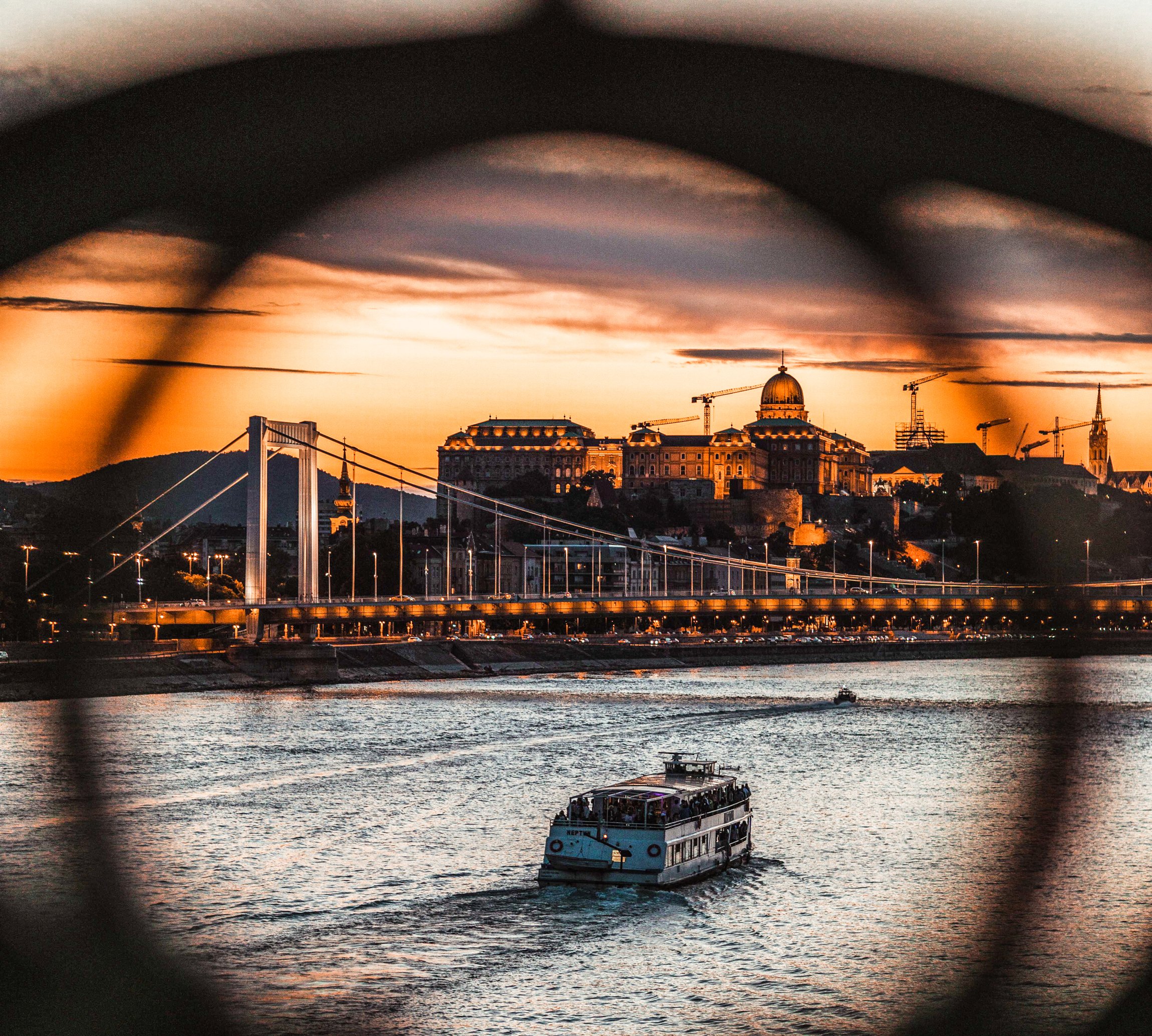
Glide along the Danube and take in the capital's iconic landmarks from the water with a drink in hand.
Reserve
Hand-picked by our editors — only the best 5 river experiences from 12 reviewed.
Verified partners for every tour, free cancellation where available, and instant confirmation on every booking.
1 hr
Glide along the Danube and take in the capital's iconic landmarks from the water with a drink in hand.
Reserve
1 hr
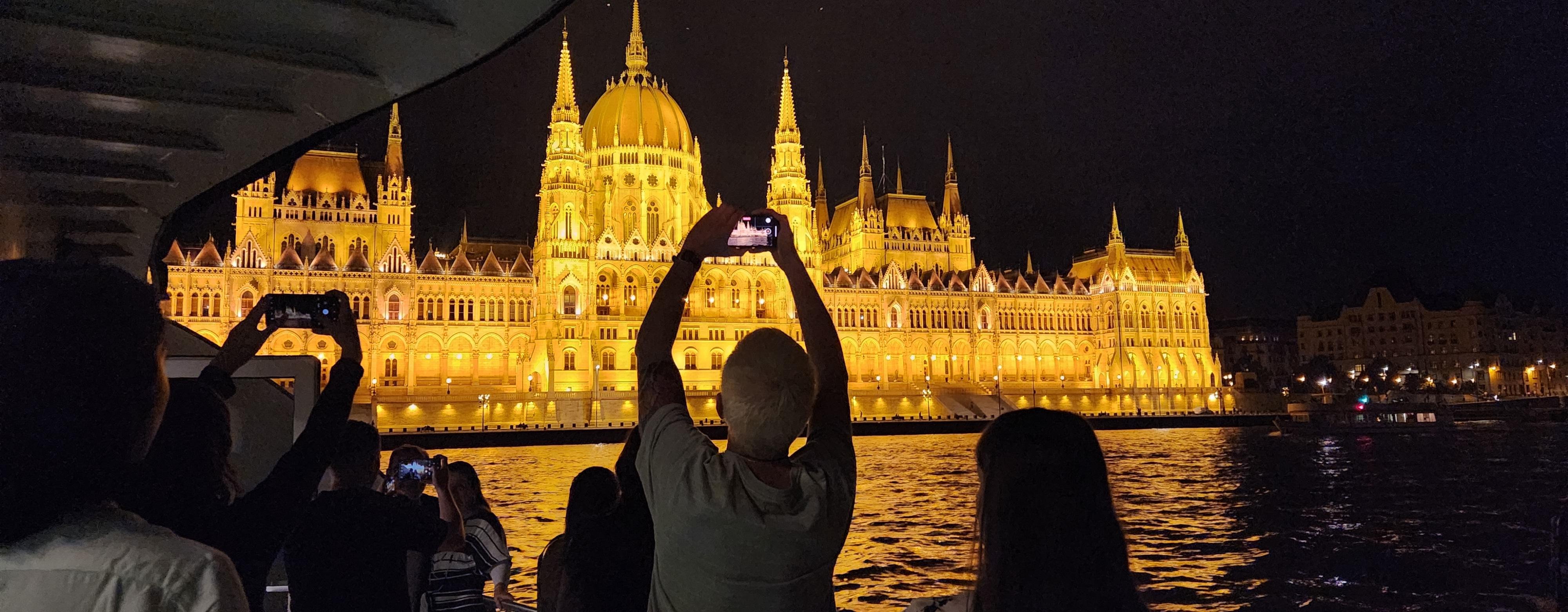
Glide past illuminated landmarks and iconic bridges on a one-hour river journey through Hungary's capital
Reserve
1 hr
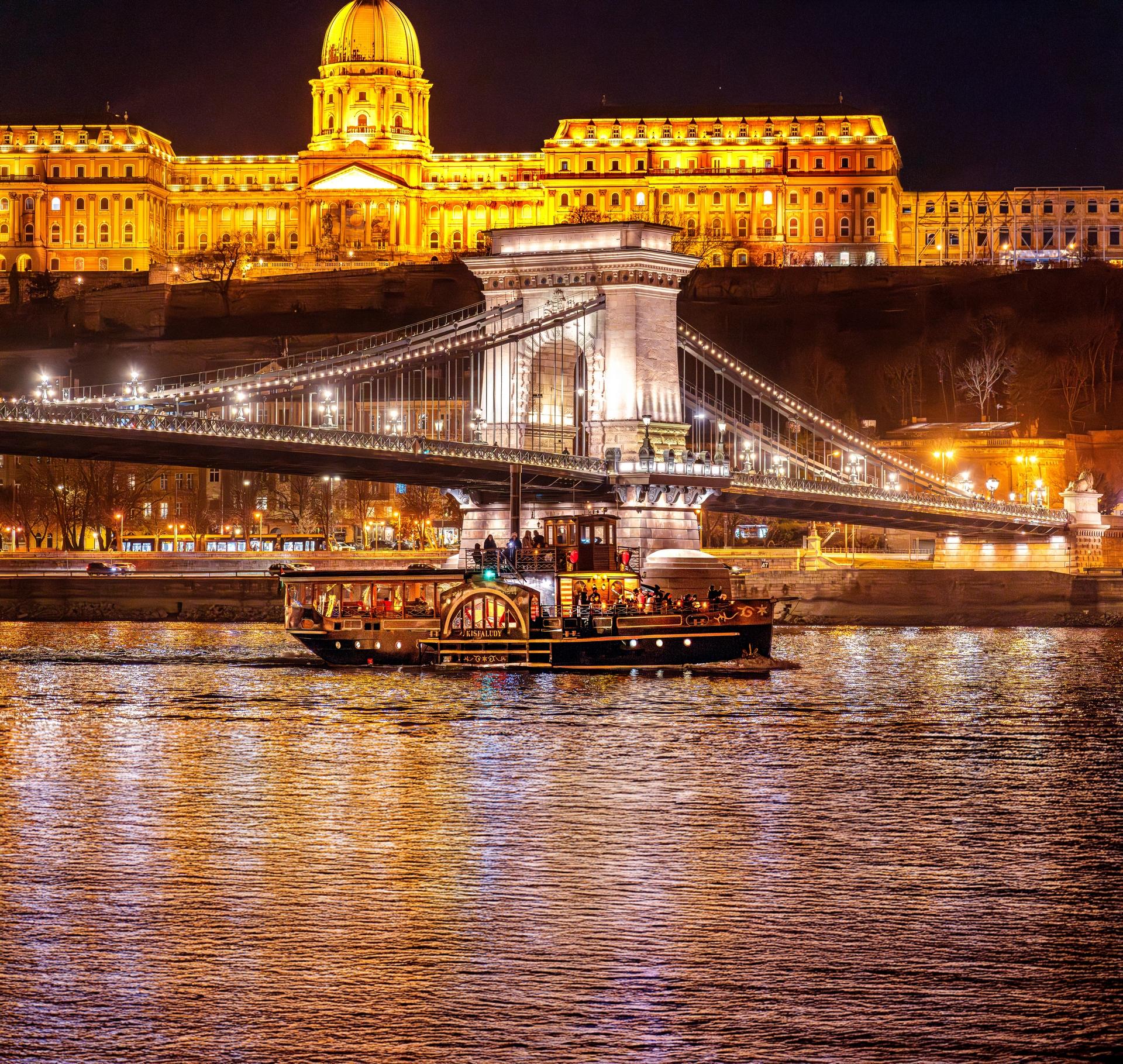
Glide past Parliament, Buda Castle and iconic bridges on a nostalgic paddle steamer with complimentary beverage
ReservePrices from verified partners. Availability updates in real time at checkout. Free cancellation policies apply where shown.
The landmarks, rooms, and views travelers on this tour remember — all visible on a single visit.
A historic palace complex featuring grand architecture and panoramic city views.
They complement each other; most visitors who do both call the long-distance voyage the more immersive transit experience, while the local circuit offers better views of historic parliamentary landmarks.
| Feature | Top pick Inter-city Cruise | Local Sightseeing Cruise |
|---|---|---|
Scope of travel |
Vienna to Budapest transit | Budapest city center loops |
Duration |
7–9 hours (full transit) | 1–2 hours |
Inclusions |
Meals and cabin access | Audio guide and drink |
Primary purpose |
Regional travel between cities | Viewing architectural monuments |
Booking requirement |
danube cruise vienna to budapest tickets | danube cruise vienna to budapest tours |
Logistics |
danube cruise vienna to budapest tour | Point-to-point docking only |
| See tickets → |
Verdict: Choose the regional transit if you need to travel between capitals, but opt for the local circuit if your priority is viewing the illuminated city center from the water.
Choose your ticket, select your date, and reserve in under two minutes. Secure checkout handled by our verified partner.
Instant confirmation by email, with a mobile voucher you can save offline. No printing, no queuing at a collection desk.
Arrive at the entrance, show your voucher on your phone, and walk in. Most tickets include priority or skip-the-line access.
Practical details for your visit straight from our verified partners — hours, access, rules, and how to get there.
Smart casual attire is generally recommended for onboard dining and evening events during your danube cruise vienna to budapest. Comfortable walking shoes are essential for shore excursions in cities like Vienna and Budapest.
Most operators allow a standard luggage allowance, but storage space in cabins is often limited. Security protocols are strictly enforced at all major port embarkation points.
Photography is encouraged throughout your danube cruise vienna to budapest to capture river vistas and historic landmarks. Use of drones is typically prohibited while the vessel is in motion or docked.
Modern river vessels on the danube cruise vienna to budapest route often feature elevators, but accessibility may vary due to fluctuating water levels and gangway configurations. Guests with mobility concerns should confirm specific requirements with the cruise line.
Many operators offer family-friendly danube cruise vienna to budapest tours, though age restrictions may apply. Check if the vessel provides specific child amenities or supervised activities before booking your passage.
Most danube cruise vienna to budapest packages include all onboard meals, ranging from regional specialties to international cuisine. Dietary requirements should be communicated to the cruise operator well in advance.
Best time to go, insider tips, nearby landmarks, and the cancellation fine print — flip through to skim what matters to you.
Flexible, no hidden fees.
Cruise cancellations are subject to the specific terms set by your chosen operator at the time of booking. Ensure you review the refund policy before finalizing your danube cruise vienna to budapest tickets.
The Danube River between Vienna and Budapest spans 266 kilometres through four countries, threading a liquid corridor past fortified abbeys, terraced vineyards and the narrow defile of the Iron Gates gorge system before widening at the Hungarian plain. Scheduled passenger services along this reach began in 1830 with the Erste Donau-Dampfschiffahrts-Gesellschaft—the First Danube Steamship Company—which by 1837 connected the Habsburg capital to Ottoman-era Buda and Pest, cutting overland journey time from three days to fourteen hours. Today the route remains Central Europe's busiest inter-city waterway, hosting overnight cruise liners, day excursion vessels and high-speed hydrofoils that depart from Vienna's Schwedenplatz and Reichsbrücke terminals. The Danube's geopolitical weight is older than any empire that claimed it. Roman legions fortified both banks as the Danubius limes, a liquid frontier separating imperium from barbarian Germania. Medieval traders hauled salt, grain and Bohemian glassware on flat-bottomed zillen, navigating by stars when autumn fog erased the shore. The river's course—west to east, against the grain of most European waterways—made it a natural highway for Ottoman expansion in the sixteenth century and a Cold War boundary in the twentieth, bisecting the continent until 1989. Its hydrological peculiarity matters too: spring snowmelt from the Alps and summer storms in the Carpathians create a dual flood season, a rhythm that shaped settlement patterns and forced engineers to raise embankments and dig relief channels. Modern river cruise itineraries reflect that layered past. Vessels departing Vienna glide beneath the Reichsbrücke's steel arches and pass Bratislava's clifftop Hrad before entering the Danube Bend, where the current swings south around the Pilis and Börzsöny ranges. Esztergom's basilica dome rises 100 metres above the water; Visegrád's citadel clings to a volcanic cone 350 metres overhead. The final approach to Budapest threads between Margaret Island and the Buda Hills, delivering passengers to a mooring beneath the Chain Bridge's wrought-iron spans and the neo-Gothic parliament building's 96-metre central spire. Evening cruises along the Budapest city reach showcase the illuminated riverfront, a UNESCO World Heritage panorama spanning both banks from Gellért Hill to the neo-Renaissance academy. The Danube remains Europe's second-longest river at 2,850 kilometres, but the Vienna-Budapest section concentrates more architectural and strategic landmarks per nautical mile than any comparable reach. Its utility as a living transport corridor—not a vestigial canal—sets it apart from the Rhine's industrial character or the Seine's purely urban function, sustaining freight barges, commuter ferries and sightseeing craft in a working fluvial ecology.
"The Danube's course—west to east, against the grain of most European waterways—made it a natural highway for empires and a Cold War boundary until 1989."
A step-by-step walkthrough of the visit — what you'll see, how long each stage takes, and the details that matter.
You board at Schwedenplatz or Reichsbrücke in Vienna's first district, where crew check vouchers and direct you to open-air upper decks or climate-controlled salons. The vessel clears the city within thirty minutes, passing beneath the Reichsbrücke and Floridsdorf rail spans as Vienna's skyline recedes astern. Bratislava appears two hours downstream, its castle a limestone wedge above the left bank, then the river narrows at the Danube Bend and vineyard terraces climb both slopes. You reach Esztergom by mid-afternoon, the basilica's green dome visible five kilometres upstream, and pass Visegrád's hilltop fortress before the current straightens toward the Hungarian plain. Budapest's Margaret Island splits the channel; the Chain Bridge frames your approach, and the parliament's Gothic revival façade reflects in the water as crew pour a welcome drink—local Tokaji or sparkling wine—and narrate the final mooring beneath Buda's limestone cliffs. Evening departures reverse the sequence, departing from Vigadó tér or Batthyány tér as the city lights ignite along both embankments, the Fisherman's Bastion and Gellért Hill silhouetted against the western sky.
The best time for a danube cruise vienna to budapest is during the shoulder seasons of spring (May–June) or autumn (September–October) for milder weather.
Yes, sailings run throughout the year, though peak demand for danube cruise vienna to budapest tickets occurs during the summer and winter holiday markets.
A standard danube cruise vienna to budapest typically spans 7 nights, allowing for stops in historic towns and capitals.
You will see sites like the Hungarian Parliament Building, Buda Castle, and the Wachau Valley during your danube cruise vienna to budapest.
Accessibility on a danube cruise vienna to budapest varies by vessel; always confirm your specific ship's facilities with the operator.
Onboard meals are included on most cruises, so personal food is generally not required; check your booking details for specific policies.
There is 0 EUR entrance fee for the river itself, though individual tour prices vary by operator.
Yes, you will cross international borders, so a valid passport is mandatory for all passengers on a danube cruise vienna to budapest.
Yes, many lines offer family-friendly tours, though you should check if your chosen danube cruise vienna to budapest tour is suitable for your children.
Major boarding ports for a danube cruise vienna to budapest include central locations in Vienna and Budapest; check your specific operator's embarkation details.